Creative Inspiration or Daily Routine?

One of the questions I get asked often is “where does my inspiration come from?” Most people think it’s some kind of divine part of my artistic gift that makes wonderful ideas appear like spiritual apparitions. That couldn’t be further from the truth. Occasionally a great idea might just pop into my head without effort, but that is “very” occasionally. Most ideas are cultivated – coming to that final inspiration is more like playing pinball. You ricochet back and forth, racking up points and momentum as you go along. You have to play a lot to be good and you lose a lot of balls in the process, but you persist.

Pattern, routine and scheduling are probably more important in the development of creativity and stimulating inspiration. You have to love what you do and you have to do it as much as possible, and the more you do it the better you get. When you practice in a routine manner the results are easier to reach. Like going to the gym every day, it’s hard at first, but eventually you start to see results and it gets a little easier, but it still takes a lot of work. Inspiration is very much like that. So when you see an artist’s finished work, know that it took more effort than just a “light bulb” moment and ask them how they reached the inspiration. It’s never a straight line and the story can be just as interesting as the finished piece and give you a little glimpse into the artist psyche.

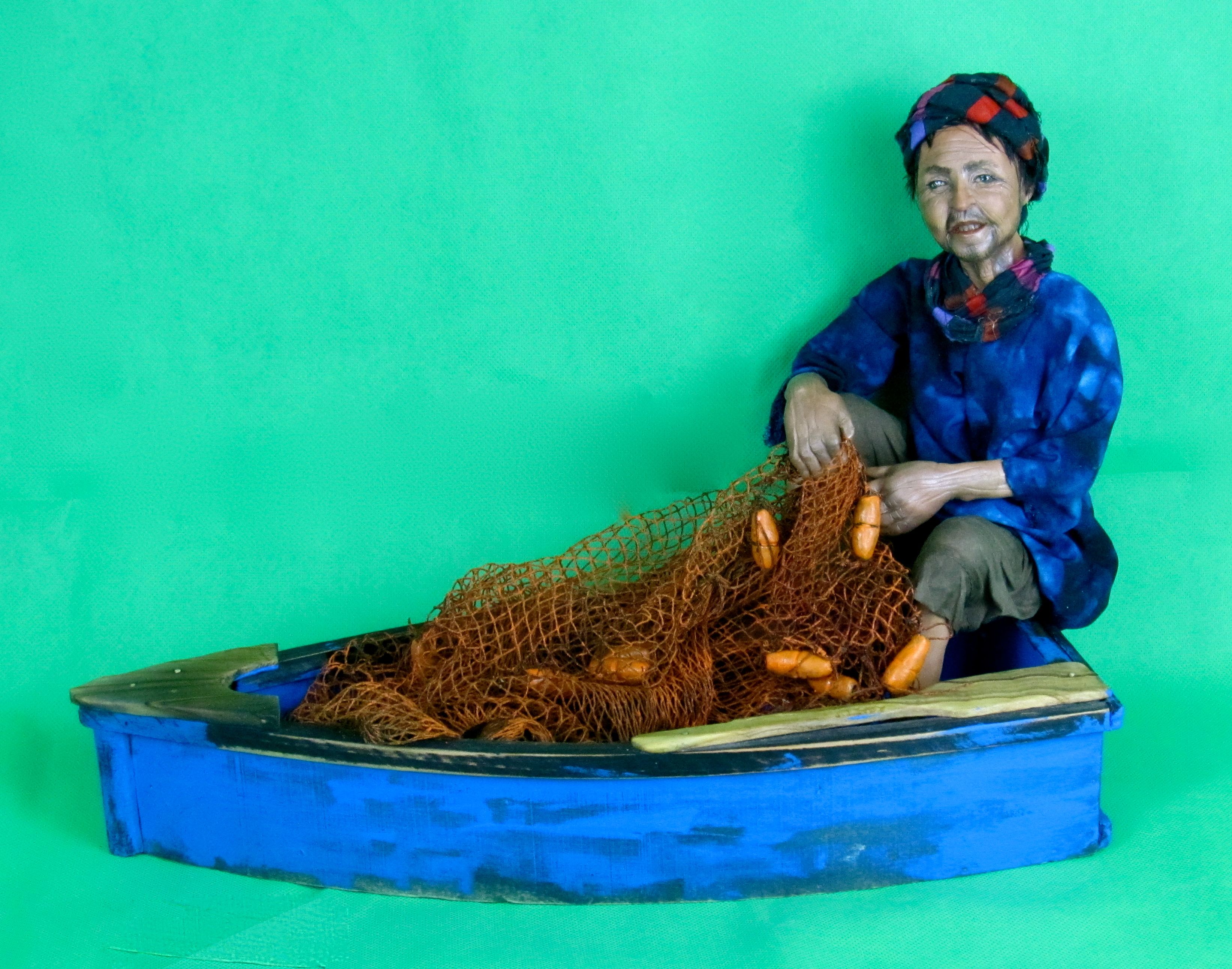
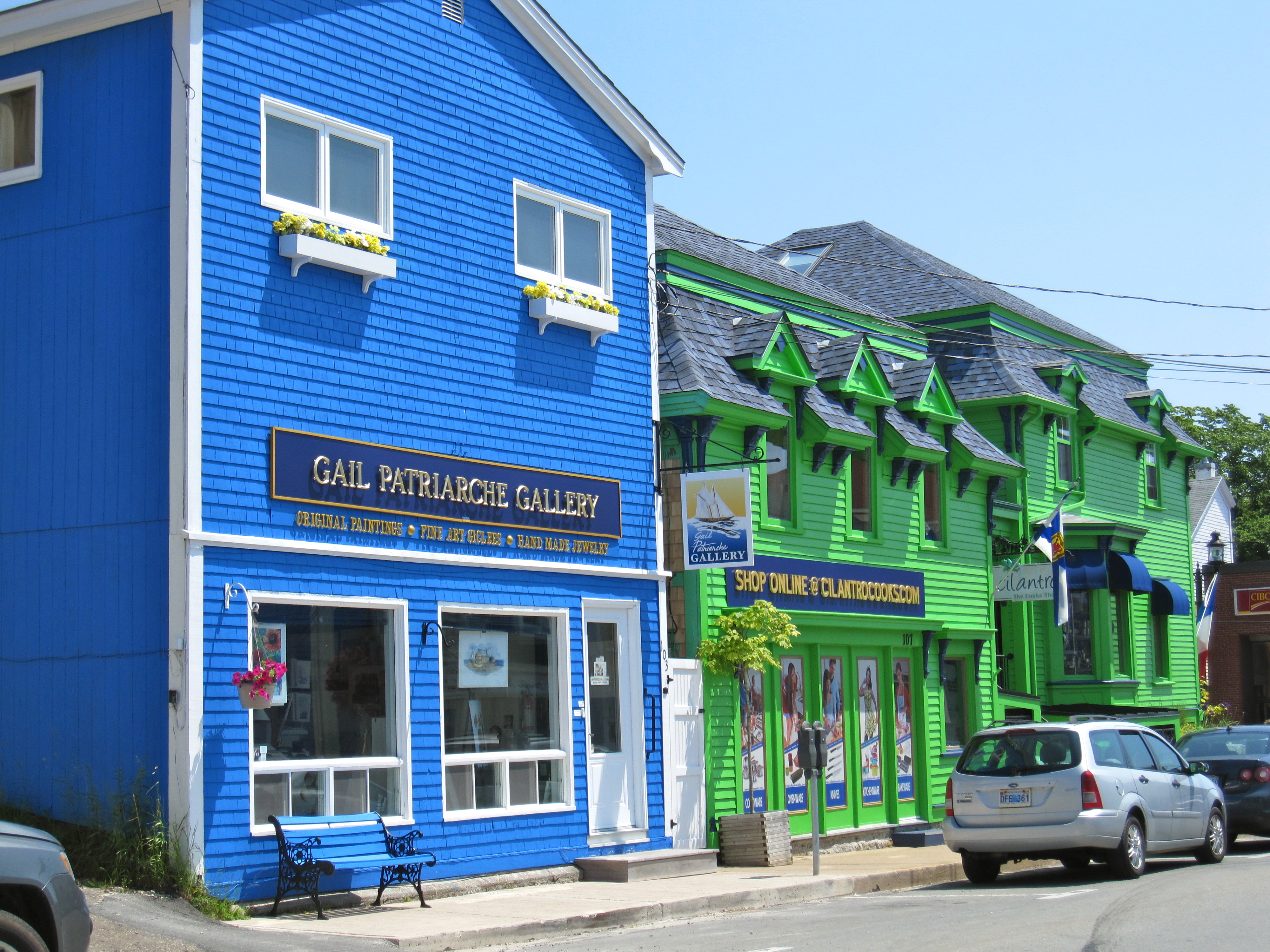
Moroccan fishermanHere’s the process and inspiration behind “The Moroccan Fisherman”. I was working on a commission and saw the image of a blue door on TV while I was working. Reminded me of some of the houses I saw in Nova Scotia. A beautiful mediterranean blue colour. Took a break and researched the colour which lead to the story of purple Murex dye made from ground up murex seashells. This was the inspiration for the psychedelic anthem, Purple Haze by Jimmy Hendrix when he lived in Morocco in the 1960’s. This lead to some research on Morocco and therefore adding this to my bucket list of places I want to see before I die. (Mention this to husband who rolls eyes – the list is long . . . sigh!)

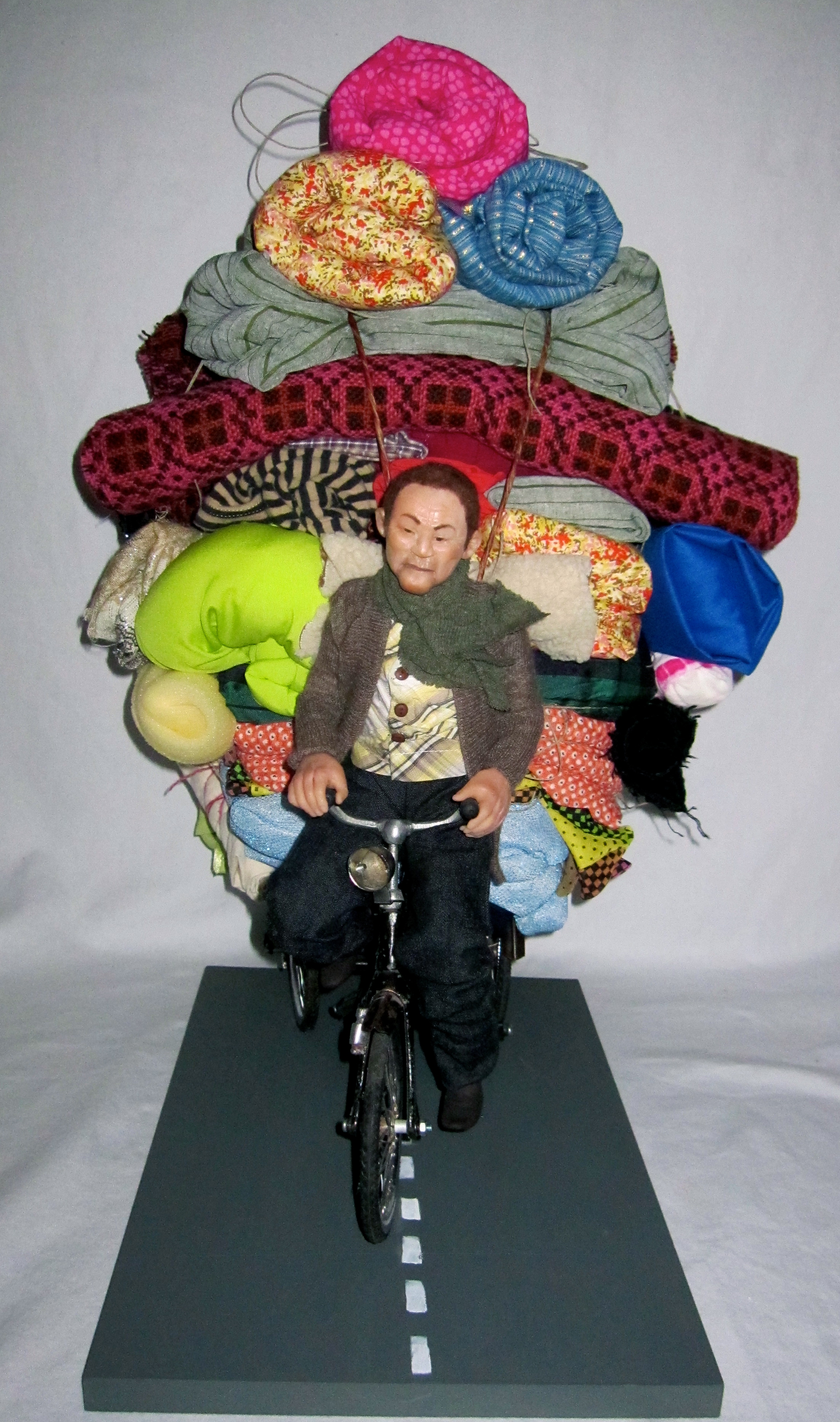
Next day IMG_9464something reminded me of an old wooden boat I had in my stash of “things”, pulled it out, pulled up some photos of moroccanIMG_9830 fishing harbours – Yes!! Painted boat in my version of murex blue. Distressed boat. Wondered if it would work. What kind of man do I want to sculpt, old, young but weathered, modern, traditional clothing? This took two days before I even picked up the clay. This piece is a little different than my usual “everyday moments in time” sculptures, but it kind of fits with another piece I did last year . . . “The Bike Totem”. Perhaps this is the beginning of a new series.


Posted in Art, Art Awards, Art Dolls, art exhibits, Art shows, Artists, Figurative Art, polymer clay, Uncategorized | Tagged , , , , , , , , , , , , , , , , , , | Leave a comment

Arts Accolade Interview

Interview with an artist: Maria Saracino

Canadiana on exhibit  at the AOE Gallery: July 16 to Aug 17, 2015
Meet the artist: Sunday July 26, 2015

MSaracino_Selections2014winnerw

Maria Saracino is an award winning figurative artist, born and raised in Ottawa, Ontario. Working as a graphic artist for 18 years, she honed her skills creating watercolour, acrylic and multi-media paintings as well as experimenting with textiles and sculpture. Maria discovered polymer clay in the mid 1990’s and the creative possibilities of figurative sculptures. During this time she has also developed a gift line that includes her limited edition Elves and Fairies as well as other unique seasonal items. Through her masterful use of polymer, resins and textiles, she is able to capture candid snapshots of life’s simple pleasures in her sculptures. She pulls the audience in by connecting with their own experiences. Maria’s original sculptures have been recognized by leading publications and have won several awards, been included in group and solo exhibits in Canada and the USA, and have been part of three museum exhibits in Canada.

Where does your passion for creating art and sculpture come from?
I always remember being fascinated with drawing and creating since I was a child. Actually, I can remember the actual moment when art became my passion – it was in grade one and the teacher asked us to draw what we had done during Spring Break. I drew my parents sitting on a picnic blanket along with my cousins and I playing on a hill in the background. I drew people smaller the further up the hill they were and I layered people throughout the drawing. I remember the teacher coming up from behind and making a big fuss over my drawing. That was the first time I heard the word “perspective”. From that moment, she labelled me the class artist. I was so proud and that label stuck right through high school. I don’t remember that teacher’s name, but I can picture her face. Perhaps one day we will connect and I can tell her she helped a shy little girl find her passion.

How did you discover polymer clay sculpture?
I have always drawn and painted, but I found it flat and I was continuously trying to find ways to create dimension. I worked in ceramics as well but for me, I was frustrated with the process especially with how it applied to the human form. In the mid 90’s my husband and I were burnt out from 18 years in the advertising business and we both wanted a change. I created some ceramic Father Christmas characters and won a spot in the Uniquely Ontario exhibit in Toronto and that propelled me into the designer gift market. In the meantime, someone introduced me to polymer clay. My first few pieces were very primitive, but I persisted. Lee Valley Tools saw me in a mall kiosk and asked me to create something for their Christmas catalogue, which they used in 1997. They gave me the transparencies which I submitted in a U.S. based international competition and won first place. I haven’t looked back since.

Did your previous career have an impact on your art?
Absolutely, I was a graphic designer and illustrator. Everything I did had to have balance. I’m obsessed with details. I also love the research behind what I’m doing. Even though the advertising industry is completely different today, I understand the importance of marketing yourself, entering competitions, showing your work and getting your name out there. The method may be different but the goals are the same.

Can you tell me more about your paintings? Do you still paint?
Yes, recently I painted a portrait of my grandchildren. My painting style can probably be referred to more as illustration. I’ve done some other work where I will use things from nature like tree branches to create dimension in the paintings, or I combine relief sculpture into the paintings.

Who inspires you?
I feel that I need my work to be human and realistic but in a light hearted and happy way. I want people to be able to relate their own experience to the sculpture and recognize that moment in time I have tried to capture. I love the hyper realistic work of Ron Mueck, like me, he uses clay and textiles, but his work tends to take a dark and depressed view of his subjects. I also love Joe Fafard’s work for his whimsy and portrayal of everyday life in the Prairies. But I relate the most to Norman Rockwell – his clean illustrative style tells a story. Whimsical, playful, funny, even when he explored serious topics you can still relate and recognize. His work is familiar to the audience and they can see themselves in the characters. Each one of his illustrations is so detailed so that every time you view it you will find something new. They feel like you are viewing a candid snapshot, a moment in time. This is what I strive for in my sculptures.

msaracino_6am Hockey Practice

What was your very first sculpture?
My very first sculpture was a primitive old world Santa with two children by his side. I had a braid of my hair that I had kept when I cut my hair short as a teenager and I used that to create the children’s hair. The coarseness of the hair was out of proportion with the size of the child. You would not recognize that piece as being from the same artist as my work today. But it’s been 20 years since I made that first piece.

How long does it take you to sculpt a piece?
I rarely start and finish one piece at a time. There are usually several pieces in various stages of completion, mostly because I like to step away several times during the process to re-evaluate and tweak or change things as I go along. An estimation would be 20 hours for a single character from start to finish. On average I make four to five compositions a month. Inspiration and energy comes in waves so there are weeks or months where I am spending 12-14 hours a day in my studio. Then there are other times where I average only 6 hours a day. A lot of time is also spent researching, looking for inspiring faces and mapping the composition.

Artist Maria Saracino in her studio.

Artist Maria Saracino in her studio.

Can you describe your process and practice?
I work every day, if I’m not sculpting I am creating patterns, sewing, creating wigs or hair pieces, sculpting shoes, looking online for a specific accessory and keeping up with the business side and social media. There are several ways and techniques for sculpting in polymer clay. The results vary from arts and crafts products to museum quality pieces. My method has developed over the last 20 years and through trial and error I have developed my own system. I like to create an armature base to the head and face in aluminum foil which has an expansion rate of less than 2%. This ensures I don’t get any cracks or fissures. How I condition my clay also minimizes the risk of air bubbles being trapped in the clay. Although I have done full body sculpts, I prefer to sculpt the body parts separately and assemble them after the clay has been cured. There is less chance of breakage this way. Once all the body parts are sculpted and detailed, I assemble and create the body armature. I cover this armature with a skin like fabric. Then it’s time for pattern making and sewing. The hands are the last thing that gets added and positioned. I usually let the piece sit overnight before signing my work just in case I make changes. I have this thing . . . Once I sign my work, no more changes can be made.

What do you want visitors to the AOE Gallery to experience at your show?
I like to work with themes. This exhibit is called Canadiana. I was part of a conversation about what it means to be Canadian, and certain images and situations came forward that are symbolic of our culture. In my research I found some great information about things that are Canadian or were initiated or developed here that few people might know about. These things are incorporated into the sculptures. Even quotes, like Pierre Burtons quote about how you can tell a real Canadian was the inspiration behind “Canoedelling”. A recent article in Readers Digest was the inspiration behind the reliefs of “Canadians of Influence”. I look at this collection with happiness and pride and am so pleased with the timing of the exhibit so close to Canada Day. More than anything, despite the political banter, I realize how fortunate we are as Canadians to live in this country.

Canoedelling Maria Saracino (2014) Polymer clay, textiles, wood and wire 24 x 11 x 6”

How many exhibitions have you done?
I have been part of a three year exhibit called “Timeless Treasures” and a one year exhibit called “Presenza” at the Museum of History. I have been showcased in a Norman Rockwell exhibit in a Phoenix Arizona gallery.  I have also participated in several Ottawa group exhibits with Figure Works and the National Capital Network of Sculptors and recently had a very successful three week solo exhibit at the Orange Art Gallery.

Any advice for young emerging artists?
Persist and persevere. It’s not enough to have talent. Learn and understand the business side of things and put yourself out there.

More about the artist Maria Saracino
www.saracinocollection.com

Posted in Art, Art Awards, Art Dolls, art exhibits, Art shows, Artists, Figurative Art, polymer clay, Uncategorized | Tagged , , , , , , , , , , , , , , , , , , , , , , , , , , , , , , , , , , , , , , , , , , , , , , , | Leave a comment

CANADIANA EXHIBIT 2015

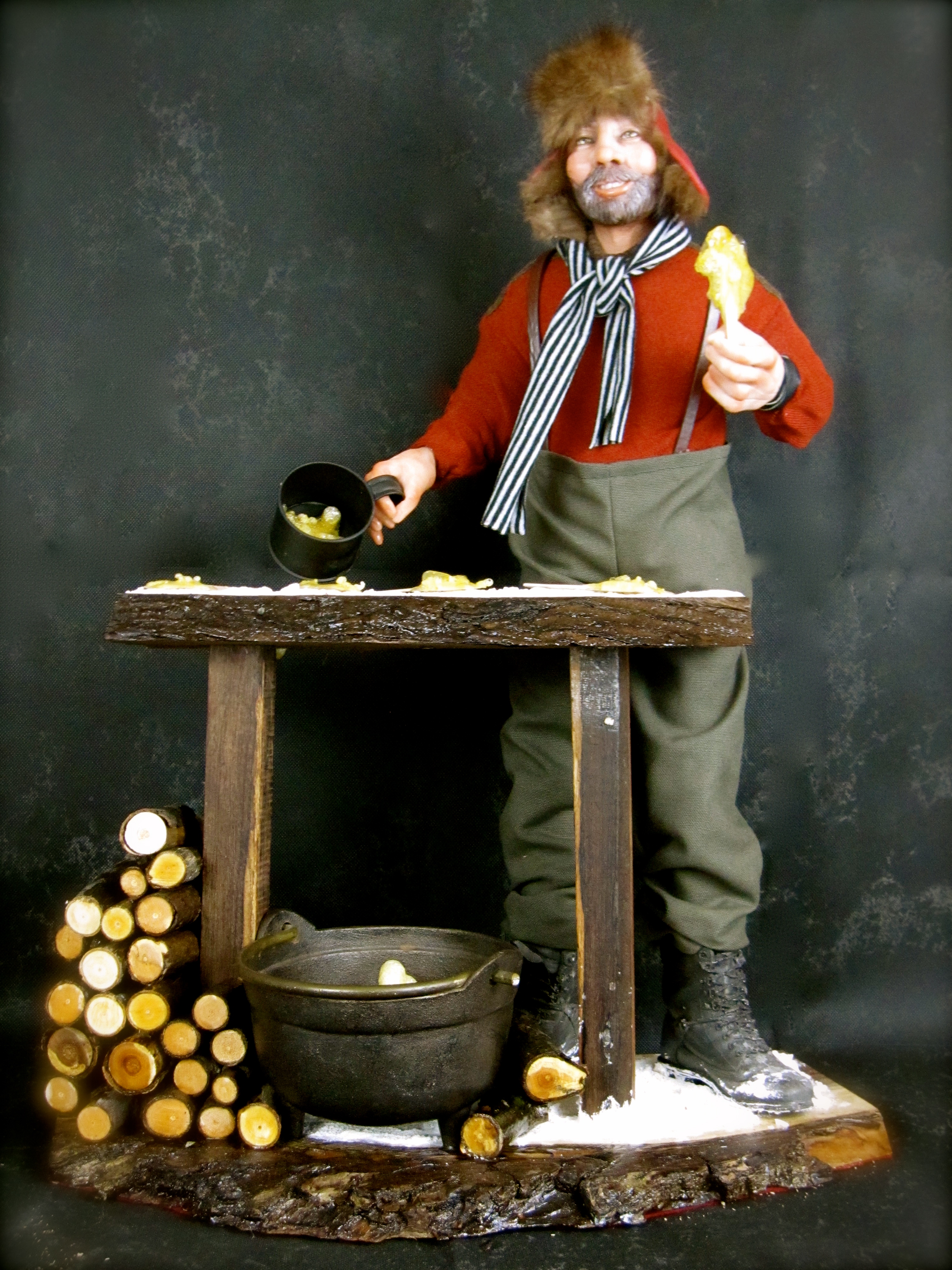
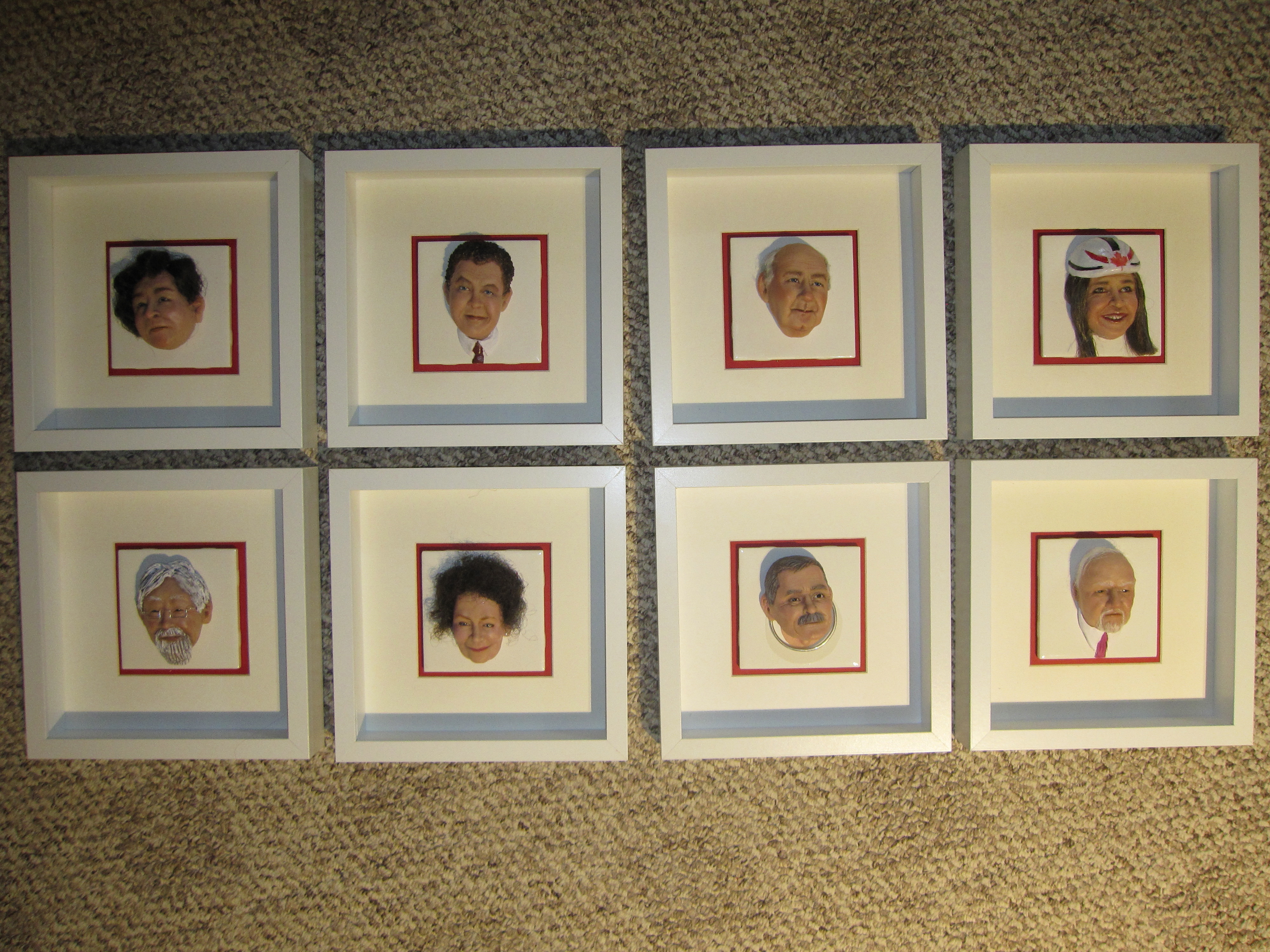
What comes to mind when you think “CANADIANA”? The great outdoors? . . . Maple trees and sugar bushes? . . . Hockey? . . . First Nations? . . . Our flag? . . . That’s the question I asked a year ago when I started working on this collection. There are so many things that represent the Canadian way of life, not only our unique climate and the activities that go hand in hand with that, but our disposition as well. From politics to entertainment and the arts, the Canadian way is polite but powerful. This exhibit is just the tip of the iceberg, there are so many more images I can explore through sculpture that would fit nicely in this series. But for now, 12 sculptures will be on display at the Shenkman Arts Centre in the AOE Gallery. In addition to the sculptures there will also be 8 relief portraits of a few inspirational Canadians. People like Nellie McClung, one of the famous five suffragists who fought for women’s rights in Canada. Clara Hughes, Olympic medalist and the face of Canada’s mental health awareness program and a few more that hopefully you’ll recognize.

The month long exhibit runs from July 16 to August 17, but if you’re out and about on Sunday July 26th, come say hello during the “Beau’s Art” Meet the Artist event. I’ll be on site talking about the inspiration and the process behind my sculptures as well as demonstrating some sculpting techniques in polymer clay.

Here are just a few of the pieces you can expect to see . . .

The Sugar Bush                                                                                                                              24″ x 18″ x 10″ polymer clay, resin, textiles, wood and wire

IMG_2426


IMG_2404

6am Hockey Practice                24″ x 12″ x 12″, polymer clay, textiles, wood and wire


Canadians of Distinction                                       Each portrait is sculpted in polymer clay on a ceramic tile, set into a 10″ x 10″ shadow box frame.

IMG_2322


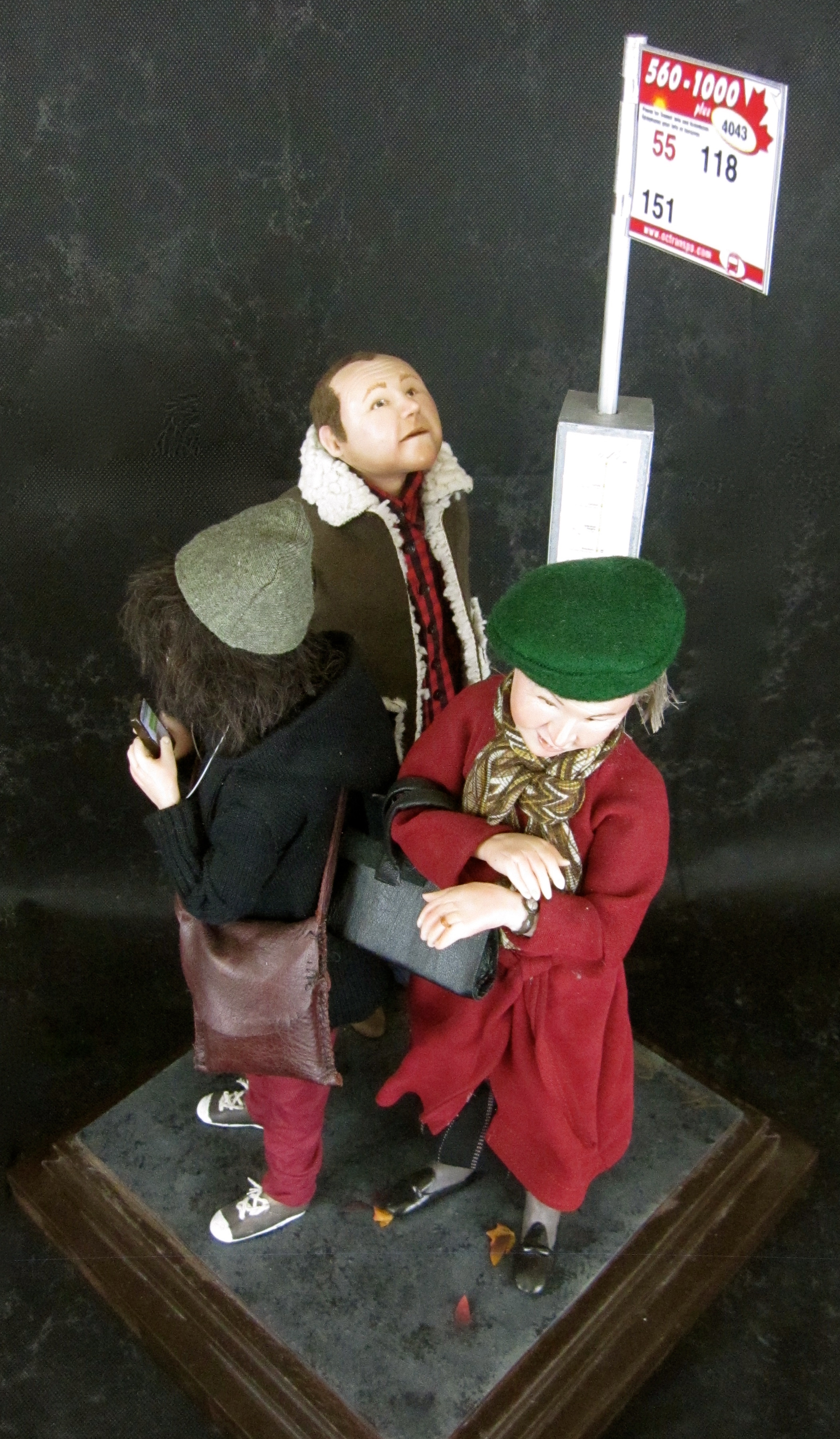
Bus  Stop                                                     24″ x 12″ x 12″, polymer clay, textiles, wood, wire

IMG_2419


Posted in Uncategorized | Tagged , , , , , , , , , , , , , , , , , , , , , , , , , , , , , , , , , , , , , , , , , , , , , , , , , , | Leave a comment

CANADIANA

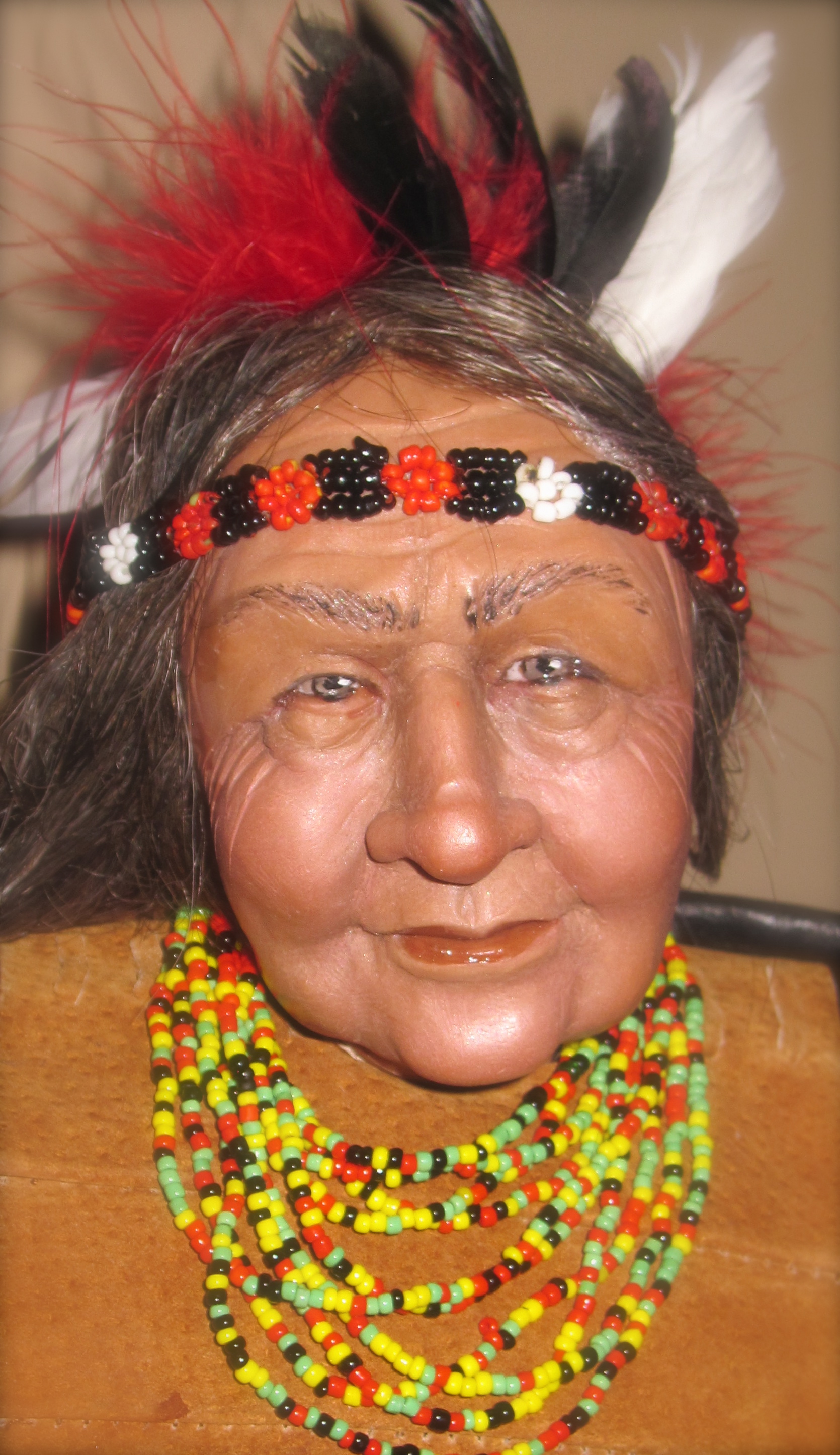
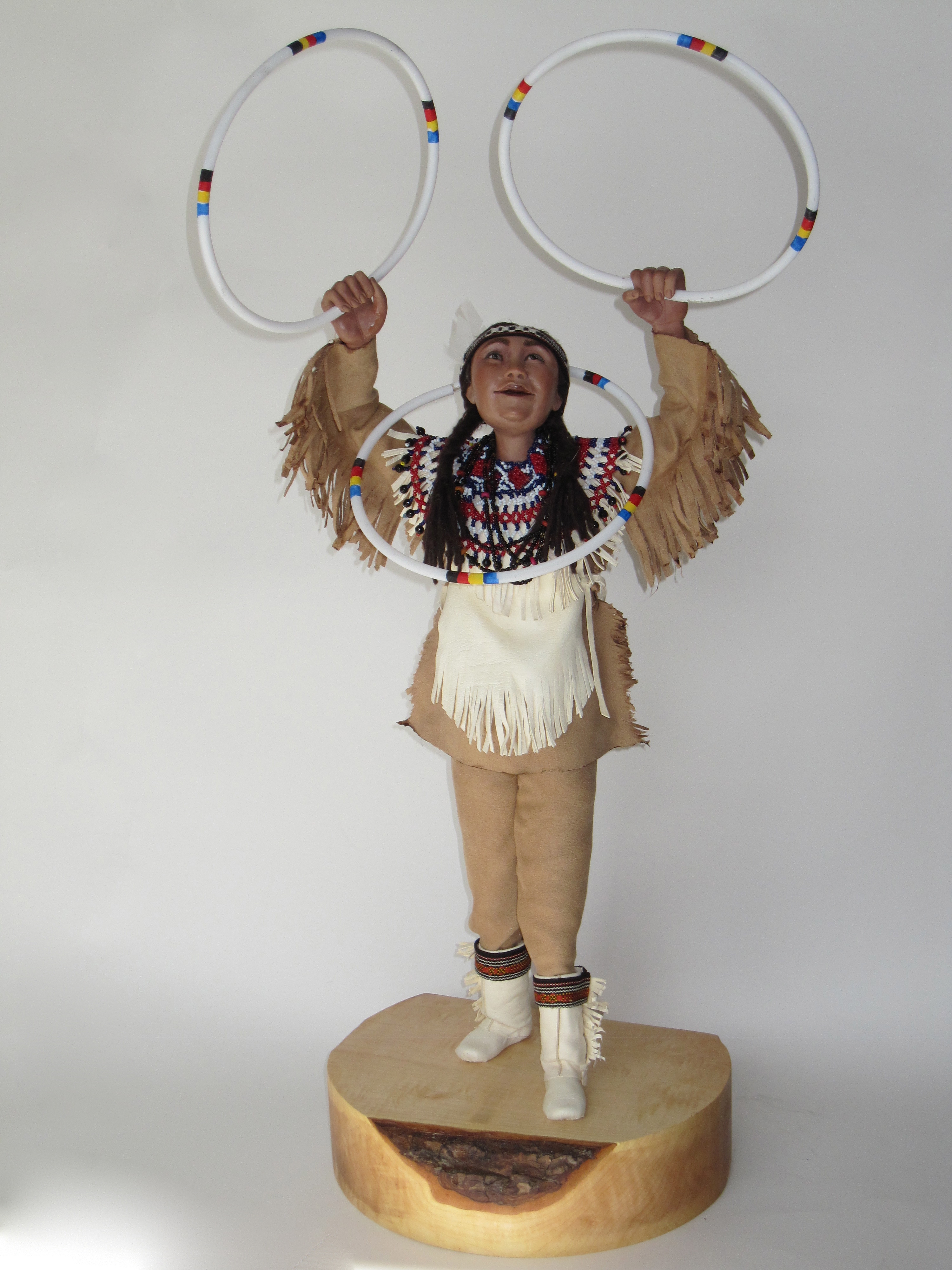
IMG_2293In a few weeks I’ll be setting up for a month long exhibit at the AOE Arts Council gallery in the Shenkman Arts Centre. The theme of the exhibit is “Canadiana”, a look at Canadian life and culture. While planning and working on some new pieces for this exhibit I decided to include a piece that reflects Native Canadian culture.  Although there are many things that define us as Canadians, when Canada shows itself on an international platform, Native Canadian dance and music, spirituality and the connection to nature comes to the forefront. So with this in mind I chose to do two interpretations of aboriginal dancers , “The Feather Dance” and “The Hoop Dancer”.

IMG_2298When I finished “The Feather Dance” I hesitated for a moment. I wasn’t sure about putting it on my exhibit list. There’s something called “Cultural Appropriation” that worried me. By definition it means taking intellectual property, traditional knowledge, cultural expressions, or artifacts from someone else’s culture without permission. This can include unauthorized use of another culture’s dance, dress, music, language, folklore, cuisine, traditional medicine, religious symbols, etc. It’s most likely to be harmful when the source community is a minority group that has been oppressed or exploited in other ways or when the object of appropriation is particularly sensitive, e.g. sacred objects, or it perpetuates stereotypes.

Cultural appropriation typically involves members of a dominant group exploiting the culture of less privileged groups — often with little understanding of the latter’s history, experience and traditions.

Examples of blatant “Cultural Appropriation” – when Victoria’s Secret had scantly dressed models parading the catwalk wearing Native headdresses. Or when Katy Perry dressed as a geisha to perform the song “Unconditonally,” which describes a woman who pledges to love her man no matter what, perpetuating the stereotype of Asian women as servile, passive, willing to weather any kind of abuse in order to keep him happy.

This subject has been explored, written about, studied and argued on every level, and is IMG_2297still an ongoing issue. Because of this I hesitated about including this new piece in the Canadiana Collection. But after some thought and discussion, I feel confident that by definition it is not Cultural Appropriation – I am not presenting myself as an Aboriginal Artist, but rather am inspired by the beauty and history and have interpreted a moment I have seen into a sculpture. So, I’m happy to say that you can expect to see this sculpture in the Canadiana Exhibit with pride and with respect.

Dance is a common element of every Native American culture. Archaeological finds confirms the importance of dance to all indigenous people throughout the world. This powerful expression was used as a way to celebrate victories and acts of bravery in battle. Most dances have a great religious or social significance.

IMG_1484A Powwow was originally a spring event to celebrate the seasonal renewal of new life. People would congregate to sing, dance, renew old friendships and form new ones. Powwows are still very much a part of the lives of many Native Americans throughout the United States and Canada and are held every weekend, often at several locations during the peak periods from June until September. Many families “go on the circuit”, camp out and enjoy the traditional IMG_1483activities. The circle, an important symbol to Native American people, is used extensively in powwows. The dancers are in the center, the drums and the audience circle around them and the concessions surround the gathering. The powwow brings the circle of people closer to family, friends and the comfort and vitality of their culture.


The “Hoop Dancer” above, is currently on display at the Rimawi Art Gallery in Rosemere Quebec.

Are you interested in seeing the CANADIANA Exhibit? Below is the information and times. I’ll be there demonstrating and discussing my work on July 26th from 1 to 3pm.MSaracino_PostcardMSaracino_Postcard2

Posted in Uncategorized | Tagged , , , , , , , , , , , , , , , , , , , , , , , , , , , , , , , , , , , , , , , , , , , , , , , , , , , , , , , | 2 Comments

A Tribute to Fatherhood

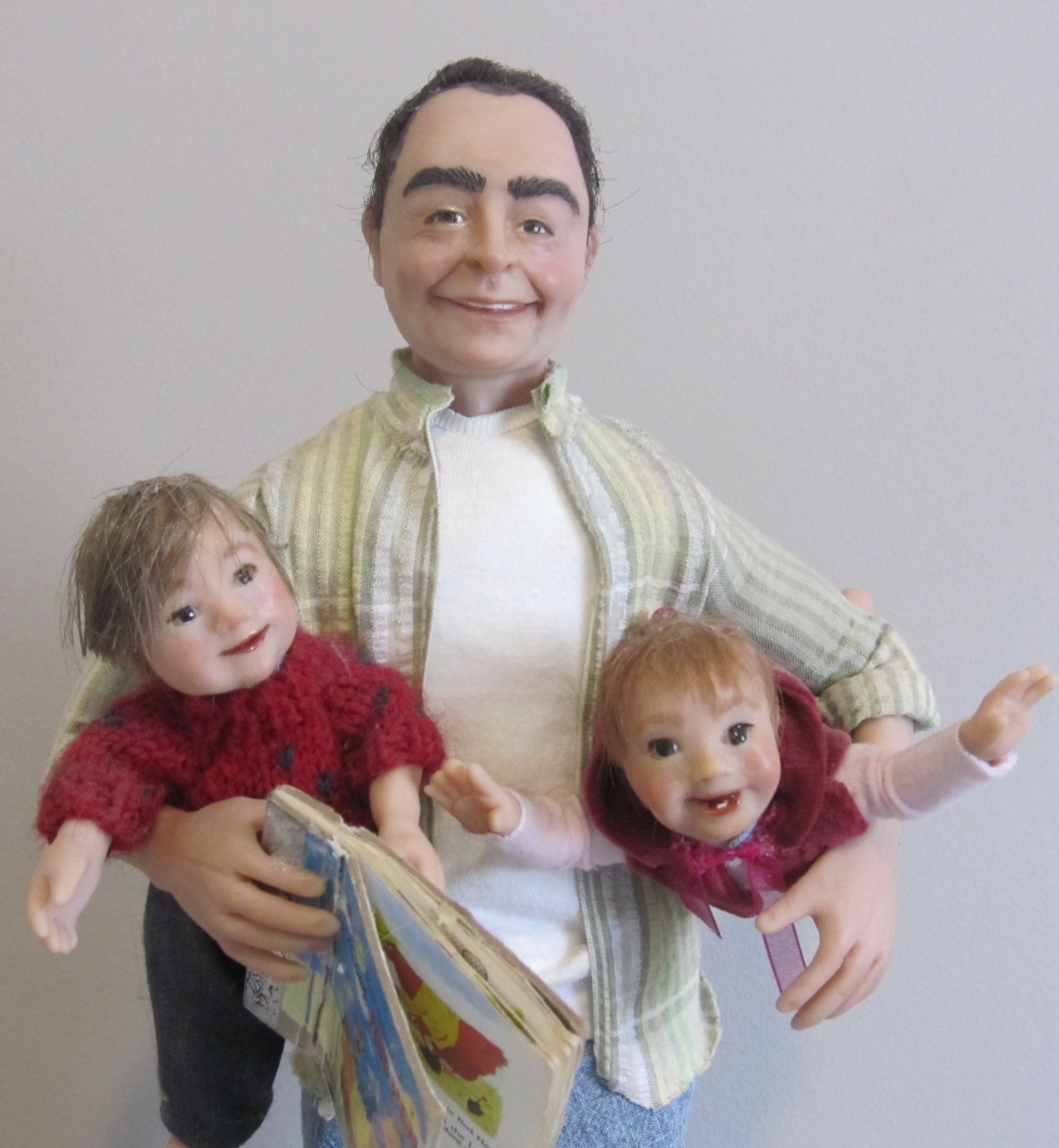
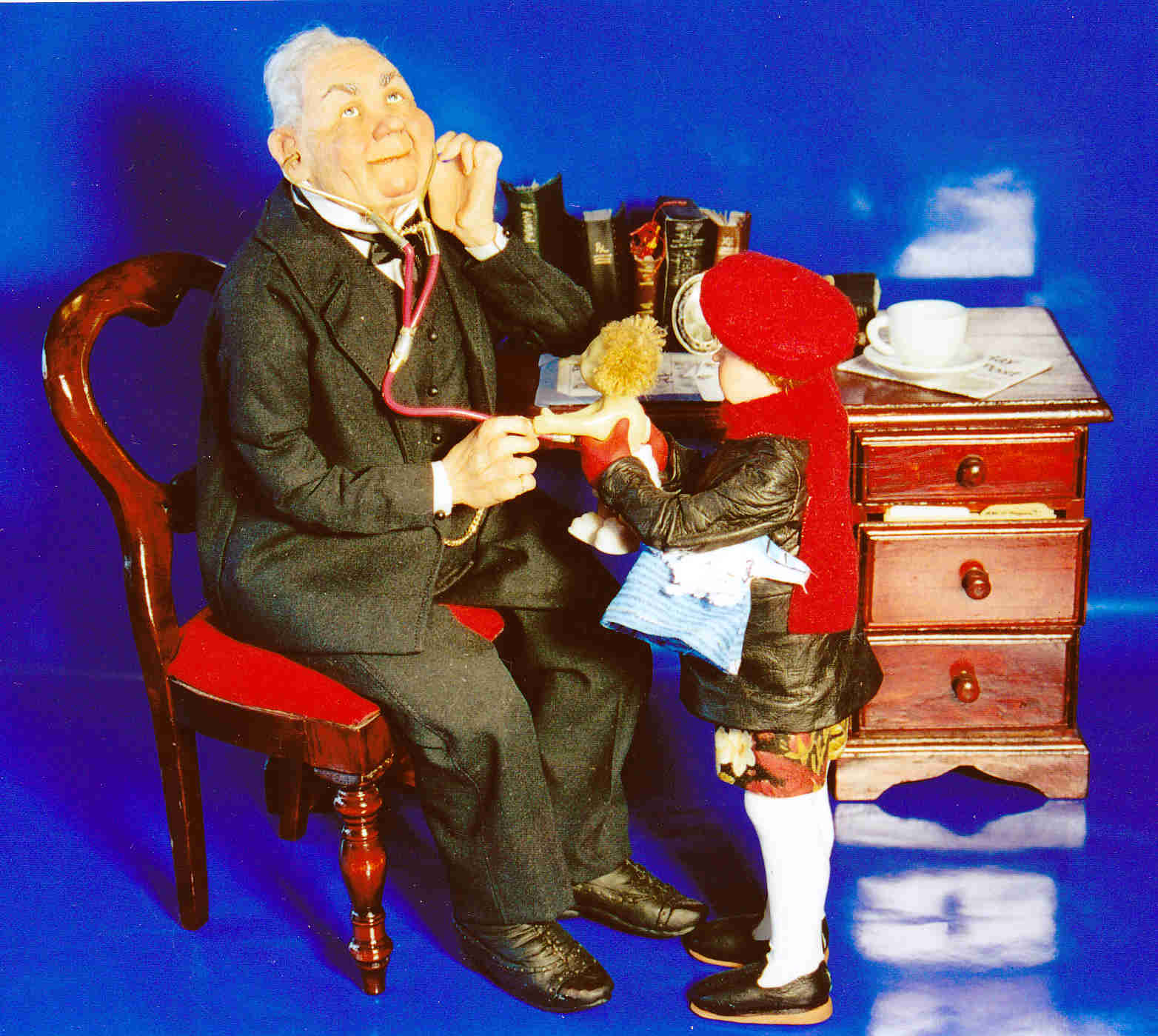
June is all about Fathers and Fatherhood. I dug through my archives and I found a few pieces I’ve made that acknowledge the nurturing men in our lives. Today’s father is no longer always fathers daythe traditional married breadwinner and disciplinarian in the family. He can be single or married; externally employed or stay-at home; gay or straight; an adoptive or step-parent. The modern day father comes in various forms and kids today benefit tremendously from a more involved and present father.

The piece on the left was a special gift for my son on his 28th birthday. A wonderful surprise, the twins have brought out the best in my son’s nurturing nature and a nod to the influence his Dad has made on him as a family man.

Image003

On the right is a throwback from my series of Norman Rockwell gallery pieces, “The Doll Doctor”.

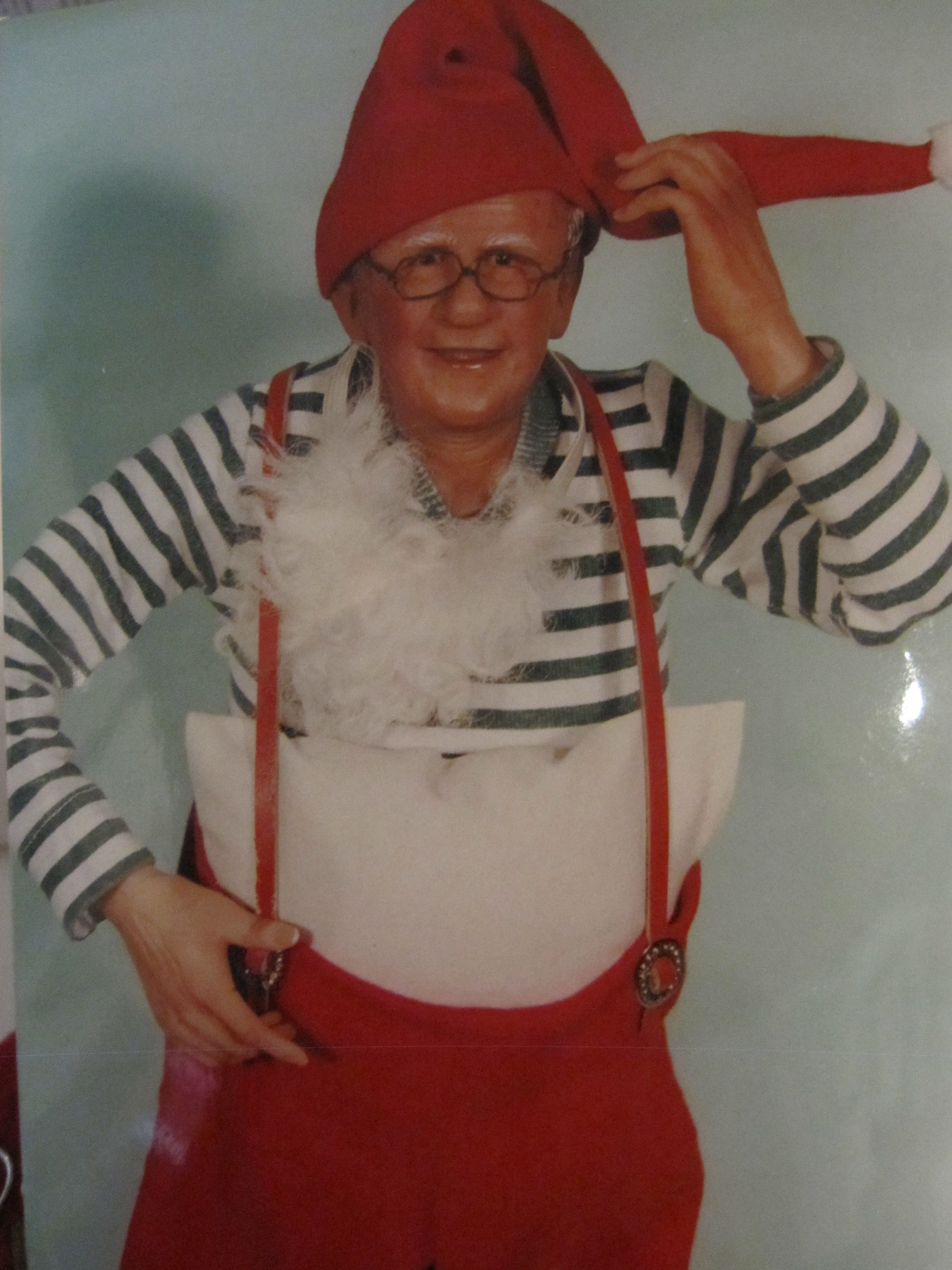
Below, a tribute to all the Dad’s who work hard to keep the magic alive for their kids as long as possible.

xmas dad


3 Dads


Bottom left . . . three great Dad’s in my life; hubby Leo, my son-in-law Dan and my son Chris.

Happy Father’s Day!  June 21st, 2015. 


Posted in Uncategorized | Tagged , , , , , , , , , , , , , , , , , , , , , , , , , , , | Leave a comment

Bring On the Golden Years!

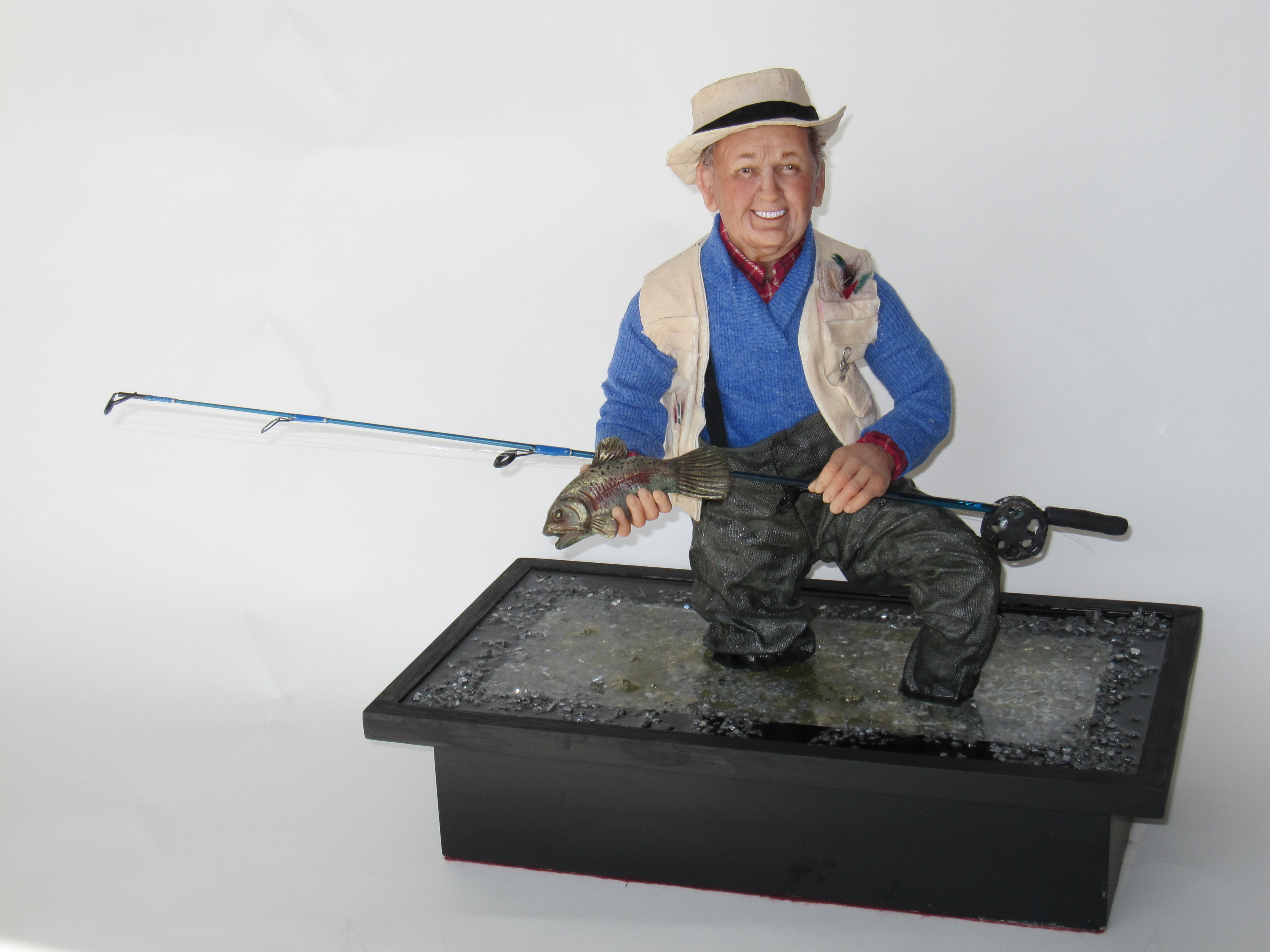
In my last blog I mentioned that I’m developing a series that explores aging in this country. Every time I complete a piece where an older person is in the composition it is added to the inventory list for this collection. Hopefully I will have the opportunity to exhibit them together very soon. Here’s a peak at some of the newer sculptures and the thoughts and information behind the collection.

Canada ranks as the fourth best place to grow old out of 96 countries. The countries are ranked according to the social and economic wellbeing of its citizens over the age of 60 in four key areas: income security, health, personal capacity and an enabling environment. According to 2014 International Global Age Watch Index the top-1IMG_48620 list is as follows: Norway, Sweden, Switzerland, Canada,       Germany, The Netherlands, Iceland, United States, Japan and New Zealand.

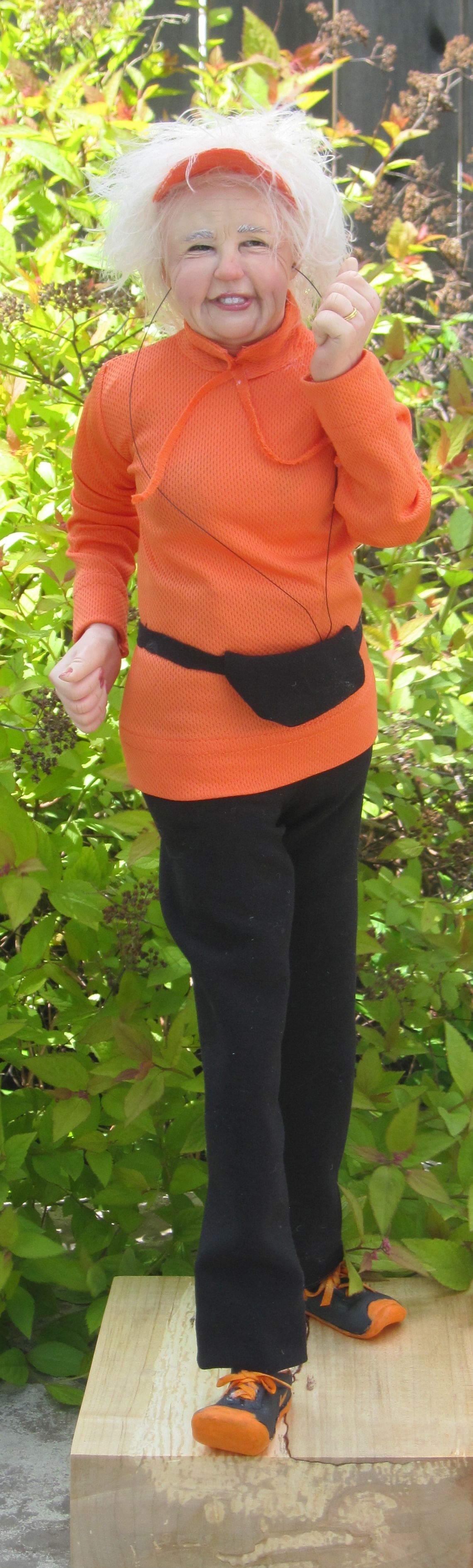
IMG_4941So what am I trying to say with my sculptures on this theme? Well it’s more of an observation than a statement. When I think back to my grandparents, at my age they were already old . . . they were very old, physically and mentally. Of course the little aches and pains that come with aging have started to show up, but for the most part I don’t see myself as old. I don’t see my friends that way either. We’re active, we are still learning and senior joggergrowing, we’ve developed a wide range of new interests, we are more sophisticated in our tastes and much more knowledgable. We struggle with some of the new technology, but we’re onboard and we’re learning. We are living longer and we are living healthier. So being 55+ does not necessarily mean growing old, it can mean a new career, travel or even exploring a bucket list item you had no time for while you were raising a family. I see it as an exciting, freeing time and I look forward to what’s ahead.

A California research team also determined that as we age, we become IMG_1445more emotionally stable and content. In early adulthood there are a lot of what-ifs: finding a mate, having children, career, buying a home. Then you spend decades striving for and maintaining those goals. But when you’re older, everything has been resolved and you are less stressed and you can finally . . . relax.

Baby Boomers are people born post World War II, between the years 1946 and 1964. I fall smack in the middle. We are the largest growing age group. According to Statistics Canada, roughly 5.2 million people, or 14.9% of the Canadian population, was 65 years of age or older in 2012. That figure is supposed to double in the next 25 years. That will represent one third of the population!  That’s HUGE!!! We will have the biggest influence on housing, the economy, trends . . . just about everything! So pull up your pants and listen up all you teenagers, we are the new IN Crowd now!

Want to learn more, check out CTV News at http://www.ctvnews.ca/lifestyle/canada-ranked-4th-best-country-in-which-to-grow-old-1.2032073

Top Right:  “Gamers” 13″ x 15″ x 8″

Bottom Right:  “The Retirement Community”

Top Left:  “Power Walker” 22″ x 7″ x 7″

Bottom Left:  “Weekend Fisherman” 17″ x 16″ x 10″

Posted in Art, Art Awards, Art Dolls, art exhibits, Art shows, Artists, Figurative Art, Uncategorized | Tagged , , , , , , , , , , , , , , , , , , , , , , , , , , , , , , , , , , , , , , , , , , , , , , , , , , , , , , , , , , | Leave a comment

The Baby Boomer Era

Yesterday, the cashier at Michaels Craft Store informed me that the company has changed it’s policy and every day is now “Seniors Day” – you don’t have to wait until Tuesday to get a discount. That means if you are 55+ you get an additional 10% off your total purchase any day of the week. Apparently the largest percentage of their customers fall in this age category. She was kind enough to stroke my ego and ask me if I was 55 yet which I appreciated as much as the extra 10% off. But, that got me thinking . . . more and more businesses are recognizing the power of the baby boomer consumer and marketing themselves to this age group.

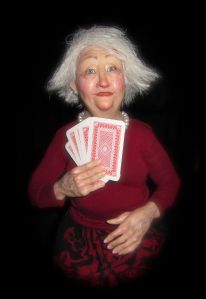
poker faceEven gambling Casinos recognize that this age group has the most disposable income and time. They have breakfast clubs, birthday clubs, retirement residence bus excursions and free senior bucks. As a matter of fact, the Casino has often been referred to as the new “Seniors Community Center”.

I’ve touched on the theme of age in the past with “The Selfie”, “The News” and several other sculptures, but I hope you’ll follow my work over the next few months as I explore this topic further. Here’s a peak at one of the new pieces . . . “Poker Face“.

Some facts to ponder from Canada’s last Census in 2011.

  • Among the working-age population, 42.4% were in the age group 45 to 64, a record high proportion. Almost all people aged 45 to 64 in 2011 were baby boomers.
  • In 2011, census data showed for the first time that there were more people aged 55 to 64, typically the age group where people leave the labour force, than aged 15 to 24, typically the age group where people enter it.
  • Of all five-year age groups, the 60 to 64 year old group experienced the fastest increase, at 29.1% (Figure 2). This suggests that population aging will accelerate in Canada in the coming years, as the large baby boom generation, those born between 1946 and 1965, reaches 65 years old. The first baby boomers reached 65 years old in 2011.
Posted in Art, Art Awards, Art Dolls, art exhibits, Art shows, Artists, Figurative Art, Uncategorized | Tagged , , , , , , , , , , , , , , , , , , , , , , , , , , , , , , , , , , , , , , | 2 Comments

Happy Administrative Professional’s Week

Secretary 2

Here’s a little something to celebrate Administrative Professional’s Day, or what used to be known as Secretary’s Day. It’s actually a whole week to recognize the importance and value of these positions in a company or business. “Nine to Five” stands 19″ tall and is sculpted from polymer clay and textiles.

Here’s an old photograph of Mary Tyler Moore that Secretary 1inspired the sculpture.

I worked as a secretary for a temp agency every summer and spring break while going to school, and even afterwards. I was witness to many of the changes that happened in the office environment. When I first started working, copies were made with carbon paper, corrections were made with liquid paper, shorthand was a necessary skill, fax machines and computers were not available yet and “how many words per minute you could type” was a question on all application forms. Times have changed, and I believe, for the better.

National Professional Secretaries Week and National Secretary’s Day was created in 1952. The name of this special day has changed and evolved over the past few decades. But, the importance of recognizing these vital individuals remains. In 1952 these positions were mostly held by women, but today both men and women enjoy this career. The name was changed to Professional Secretaries Week in 1981, and then became Administrative Professionals Week in 2000 to encompass the expanding responsibilities and wide-ranging job titles of administrative support staff.

Happy Administrative Professionals Week and a little nod to my Grade 10 typing teacher Miss Dorothy Black who recently passed just shy of her 101st birthday. 92 words per minute and holding!

Posted in Uncategorized | Tagged , , , , , , , , , , , , , , , , , , , , , , , , , , , , , , , , , , , , , , , | Leave a comment

Portrait Commissions

IMG_1609IMG_1603In the history of art, portraiture has been recognized as the most challenging genre in visual arts. More common portraits are done in two dimensions, but for those looking to venture into that third dimension, the art of portrait sculpture can be dramatic and elicit a strong emotion from the viewer. While a painting is viewed from one angle, a sculptural composition has unlimited viewpoints which makes it more intimate and immediate.

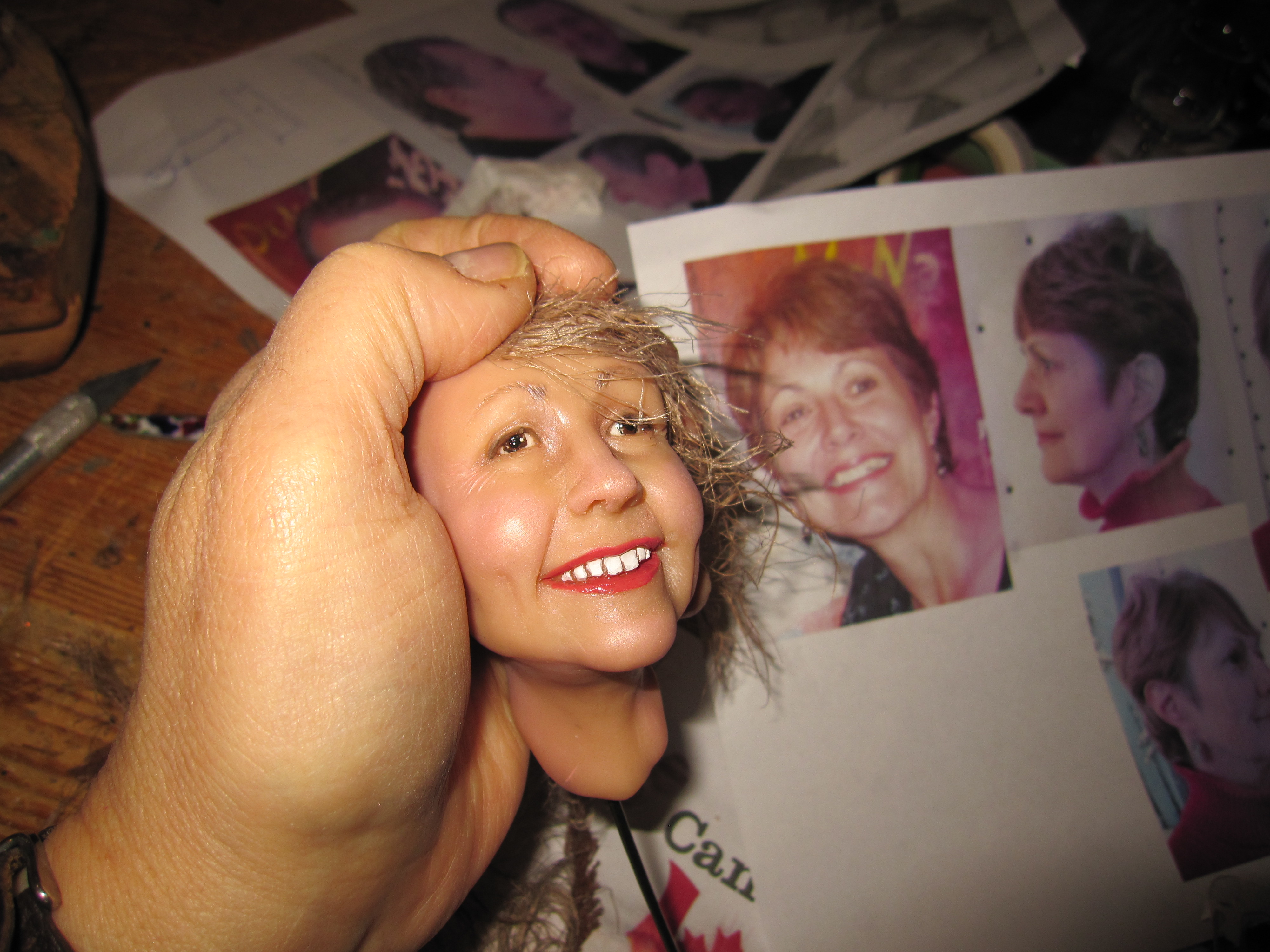
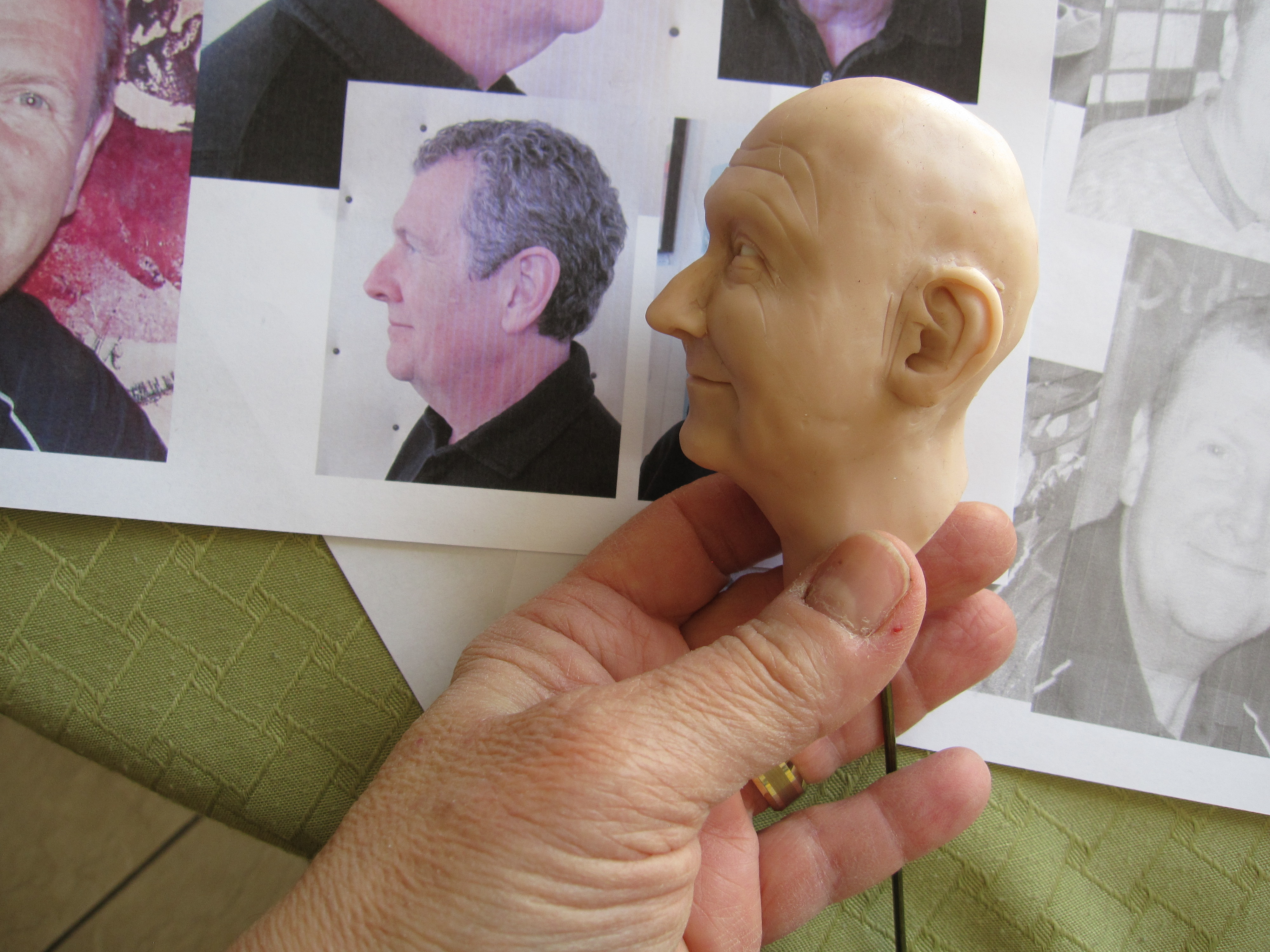
I love doing portraits. In a way each sculpture I do is a portrait. But there’s always a little anxiety when I accept to do a commission, mostly because I want to capture not only their likeness but also their personalities. They take much longer to complete than my usual polymer sculptures because I need to step away more often, and for longer periods so I can review them with fresh eyes. I usuacommission 1lly ask for 4 to 6 weeks to complete a commission. I love to meet my subjects and get to know their personalities in order to transfer their essence into the sculpture. I work easily from either existing photos or from ones that I take myself. But if it’s not possible to meet the person, I can work from photos alone.
In the family, a married couple will often commission 2commission a pair of self portraits as a mutual gift of love and respect to the other, as in this couple on the tandem bike.

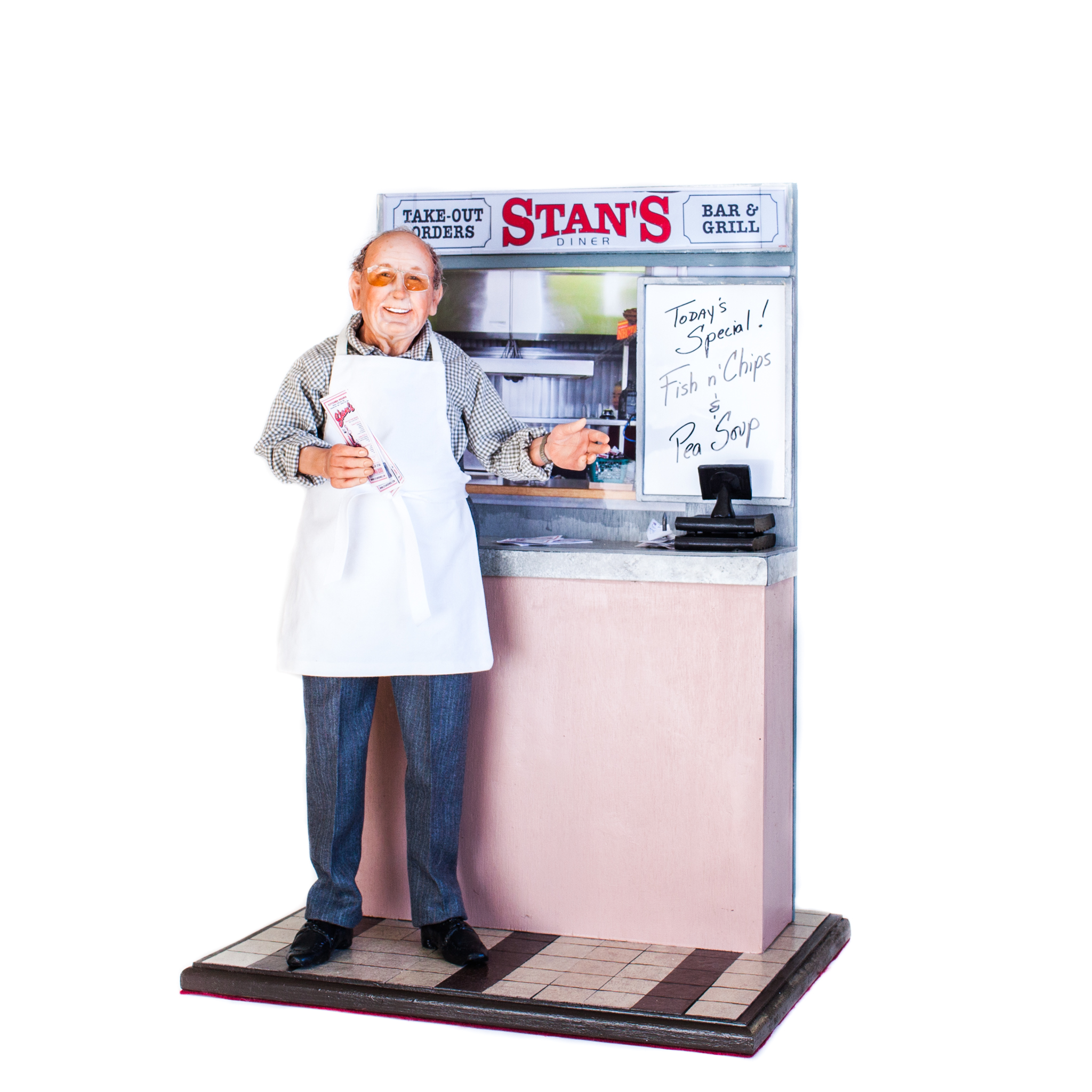
It’s also a great way to celebrate a retirement or event like a milestone birthday or anniversary. Some people consider commissioning a portrait sculpture of their departed parents or grandparents. The piece below was commission by a man for his wife as a way to honour his late father-in-law, a well known restauranteur. The sculpture was done using only reference photos. The unveiling was a beautiful moment and the piece will become a cherished family heirloom that will provide pleasurable memories, 8comfort, and continuity to the family for generations to come.

Commissioning a portrait is a generous, priceless, and meaningful gift, which will become more and more appreciated and treasured as time goes by.

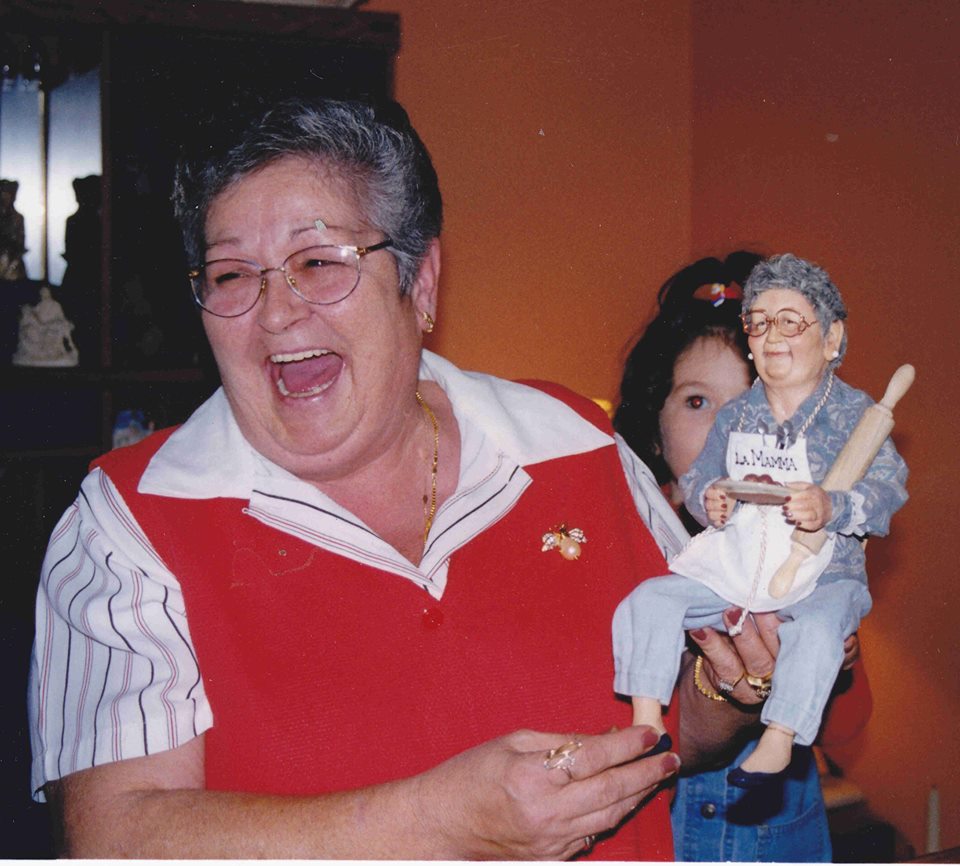
One of my biggest satisfactions is a portrait I did for my Mom’s 65th birthday. As you can see, her reaction was priceless.


10308592_248284935360687_2547864488609781948_nIf you want to know more about portrait commissions you can contact me directly at maria@saracino.ca or through the Orange Art Gallery at orangeartgallery@bellnet.ca


Posted in Art, Art Awards, Art Dolls, art exhibits, Art shows, Artists, Figurative Art, polymer clay, Uncategorized | Tagged , , , , , , , , , , , , , , , , , , , , , , , | 1 Comment

Hockey Night in Canada

Do Canadians love hockey? Well, for some, it’s what defines them as Canadians. They eat, live and breathe hockey. It’s our game. We invented it. We take pride in it. We turn out some of the best players in the world.

7Knowing this, it only makes sense that I include hockey in a Canadiana series of sculptures I’m working on. Currently I’ve done two pieces that explore our passion for the sport. This first piece is called “Hockey Night in Canada” and looks at the social aspect of hockey – how we gather to watch the game. Our obsession with our teams and the highs and lows of a goal. For my family, we are Ottawa Senators fans. Right now, they are struggling to stay alive and qualify for the playoffs. However, one of the big games coming up will be against their nemesis, the Toronto Maple Leafs. I’m hoping this is the scene that will play out in living rooms across the city of Ottawa.

IMG_9029The passion for hockey begins early in childhood, learning how to skate right after learning how to walk for some. “6am Hockey Practice” is an early morning ritual for many Canadian families. You can stand in front of community arenas in literally every town and city in Canada, no matter how big or small and see this same scene. It’s just Canadian! . . . By the way . . . that’s a Tim Horton’s dark roast coffee in his thermos cup 🙂

Please like and share my facebook page at http://www.facebook.com/saracinocollection or visit my website at http://www.saracinocollection.com

Posted in Art, Art Awards, Art Dolls, art exhibits, Art shows, Artists, Figurative Art, polymer clay, Uncategorized | Tagged , , , , , , , , , , , , , , , , , , , , , , , , , , , , , | Leave a comment